
Beyond the Bot: Strategically Embedding Automation for Enterprise Resilience and Competitive Advantage
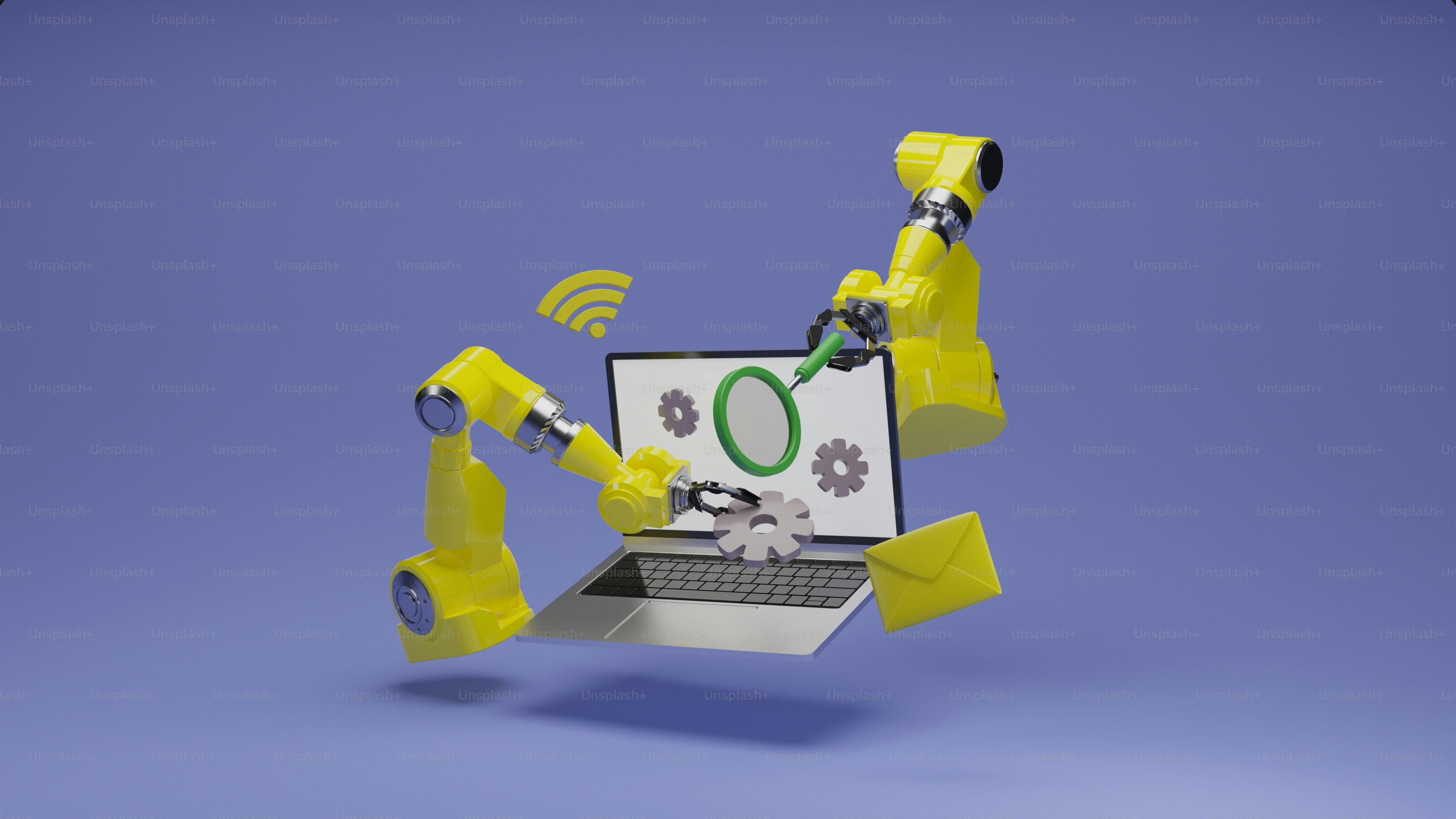
In the relentless pursuit of digital transformation, many organizations have embraced automation as a tactical solution for immediate efficiency gains. However, truly unlocking its transformative power requires a shift in perspective: automation must evolve from a departmental quick-fix to a fundamental component of the enterprise's strategic architecture. This isn't merely about deploying more bots; it's about architecting a resilient, adaptive, and future-proof business.
The Imperative of a Unified Enterprise Architecture
Enterprise Architecture (EA) provides the foundational blueprint for how an organization's business processes, information systems, and technology infrastructure are designed and integrated to achieve strategic objectives. Historically, automation initiatives have often been bolted onto existing processes, creating pockets of efficiency but failing to address systemic inefficiencies or foster cross-functional synergy. This fragmented approach limits scalability, introduces technical debt, and hinders data integrity.
Integrating automation directly into your EA means treating it as an inherent layer of your operational fabric. It ensures that automation capabilities are not just applied to tasks but are woven into the very design of business services and IT systems from inception. This yields significant long-term advantages:
- Systemic Efficiency: Eliminates redundant automation efforts and standardizes processes across the enterprise.
- Data Integrity & Security: Ensures consistent data flow, reduces manual error points, and hardens security postures.
- Operational Agility: Enables rapid adaptation to market changes and regulatory shifts by allowing for orchestrated, enterprise-wide workflow modifications.
- Reduced Technical Debt: Prevents the proliferation of disparate, unmanaged automation tools and platforms.
From Silos to Synapses: Operationalizing Strategic Automation
Moving from tactical, siloed automation to a strategically embedded model requires a conscious effort to break down organizational and technological barriers. This involves establishing a central automation strategy and a robust governance framework that spans business units and IT departments. The goal is to create a seamless network of automated processes that act as the 'synapses' of your enterprise, connecting previously disconnected functions and data streams.
Operationalizing this strategic integration involves several key components:
- Standardization: Adopting a unified platform or a set of interoperable tools for automation across the enterprise to ensure consistency and maintainability.
- Shared Service Model: Developing a centralized capability center that provides expertise, best practices, and support for automation initiatives, empowering business units while maintaining architectural oversight.
- Clear ROI Metrics: Shifting beyond simple cost savings to measure strategic impact, such as time-to-market reduction, customer satisfaction improvement, compliance adherence, and risk mitigation.
- Skill Transformation: Investing in upskilling your workforce to manage, design, and optimize automated workflows, fostering a culture of continuous improvement.
Measuring Impact Beyond the Balance Sheet: Resilience and Innovation
The true measure of strategically embedded automation extends far beyond immediate financial returns. Its most profound impact lies in bolstering organizational resilience and catalyzing innovation. A business whose core processes are architecturally sound and extensively automated is inherently more adaptable and robust against disruptions.
Consider the long-term outcomes:
- Enhanced Adaptability: The ability to quickly reconfigure automated workflows in response to supply chain shocks, economic downturns, or sudden market opportunities.
- Sustainable Competitive Moat: By integrating automation deeply into proprietary processes, businesses create unique operational advantages that are difficult for competitors to replicate.
- Fostering Innovation: Freeing human capital from repetitive tasks allows teams to focus on strategic thinking, problem-solving, and creative endeavors that drive new product development and service offerings.
- Proactive Risk Reduction: Automated compliance checks, fraud detection, and system monitoring significantly reduce operational and regulatory risks.
Future-Proofing Your Business: A Strategic Imperative
The future enterprise will not merely use automation; it will be built upon it. Strategic integration of automation into your enterprise architecture is not an option; it is a critical imperative for future-proofing your business. It transforms automation from a tactical tool into a strategic asset, enabling unparalleled resilience, fostering continuous innovation, and securing a sustainable competitive edge.
Leaders must move beyond a piecemeal approach and adopt a holistic, architectural mindset. It’s time to design your organization with automation as a fundamental pillar, ensuring your business is not just efficient today, but enduringly resilient and ready for whatever tomorrow brings.